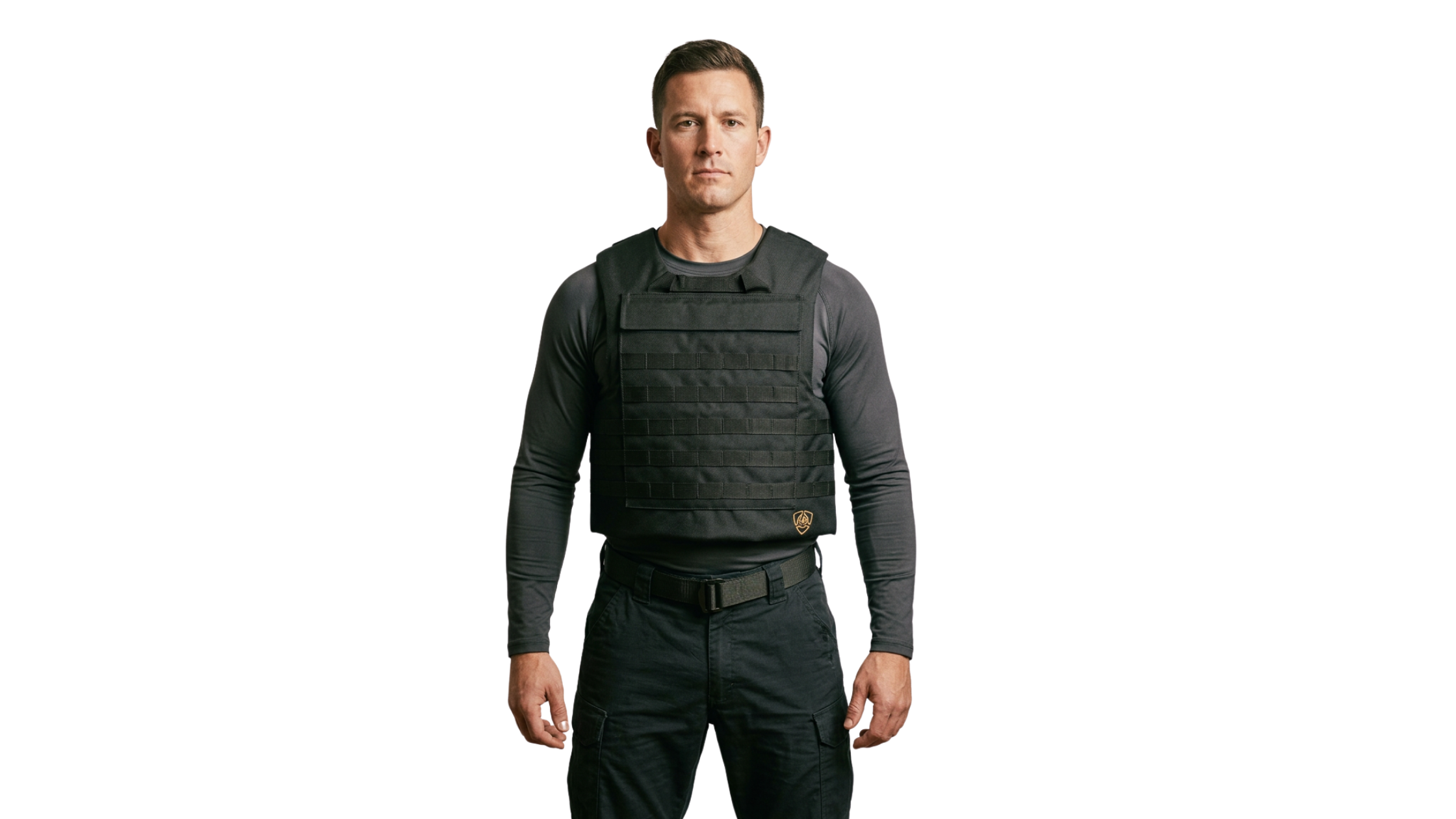
When it comes to personal protective equipment (PPE), compliance is not optional but fundamental. Every vest, plate carrier, and piece of gear must meet strict QC labelling requirements to ensure the safety of the wearer. For Imperial Armour, QC stickers are not an afterthought. They are integral tools that confirm equipment integrity, provide traceability, and empower the end-user with vital knowledge.
Inside every Imperial Armour vest, a Quality Control (QC) sticker, Product Label, and User Manual work together to provide traceable information, including manufacture date, certification, and care requirements.
This blog explains how these elements form a complete compliance system that ensures equipment integrity, global standard alignment, and user confidence in the field.
QC Stickers: More Than Just a Label
A QC sticker may appear simple, but it serves as a frontline assurance of safety and compliance. Each sticker is applied only after a product has passed all inspection stages under ISO 9001:2015 and relevant ballistic or flame-resistant testing.
Each sticker provides:
- Inspection approval: confirming quality checks at multiple manufacturing stages.
- User reference: directing the wearer to the User Manual and Product Label for care instructions and compliance details.
Together, the QC sticker, Product Label, and User Manual form an integrated compliance and traceability system. Product Labels include the manufacturer’s date, serial number, and care instructions, while armour bags display additional details such as effective threat distance under tested ballistic conditions.
The User Manual complements these identifiers with detailed guidance on correct wear, care, and replacement. It outlines ballistic performance levels, cleaning instructions, and storage recommendations to prevent material degradation.
Together, these components (the QC sticker, Product Label, and User Manual) form an integrated compliance and education system. They empower wearers to understand precisely what they are wearing, how it should be cared for, and when it should be replaced. This system reinforces Imperial Armour’s ongoing commitment to transparency, safety, and long-term product reliability.
This small but critical addition assures that the gear in hand is certified to perform, providing a sense of security and confidence to the end-user.
Why QC Stickers Matter for the End-User
For the end-user, QC stickers represent both assurance and accountability. They prompt the wearer to check the User Manual and Product Label before removing the sticker, ensuring full awareness of performance, care, and protection levels.
QC Certification Requirements and Traceability
International and local markets demand transparency. Meeting PPE certification requirements involves more than producing a vest to specification. It requires proof that each unit has passed the correct tests, with traceable records to back it up.
Imperial Armour’s system ensures every vest carries a visible sign of certification. Each sticker links directly to batch records and inspection data, ensuring traceable certification for every unit. This traceability is essential not only for procurement officers conducting audits but also for legal compliance in jurisdictions with strict PPE laws.
When an end-user picks up an Imperial Armour vest, they can be confident that it has been tested to standards such as NIJ 0101.06, SANS 1658:2007, or NFPA 1971 / EN469 for firefighting gear. Many of our products also meet additional international and regional standards, depending on their intended application and threat environment.
Equipment Compliance and Global Standards
Imperial Armour products meet multiple international and regional benchmarks:
- NIJ 0101.06: Defines ballistic resistance against specified calibres and velocities.
- SANS 1658:2007: South African standard for ballistic protection, ensuring regional compliance.
- STANAG 2920: NATO standard for fragmentation resistance, protecting against high-velocity shrapnel.
- NFPA 1971 / EN469: Firefighting standards for flame, heat, and hazard resistance.
- ISO 9001:2015: Confirms quality management and traceable production.
These benchmarks confirm that every Imperial Armour product is tested, certified, and traceable, simplifying verification for procurement teams and providing confidence to the end-user.

QC Compliance in Everyday Use
QC compliance continues throughout a product’s lifecycle. Stickers direct users to manuals for care and handling, procurement teams can verify certification before issue, and removing the sticker confirms user acknowledgement of safety guidelines.
QR Codes and Digital Integration
Imperial Armour is developing digital QC integration using QR codes that link directly to manuals, certification documents, and replacement guidelines. This ensures that compliance information remains accessible and up to date for all users.
Compliance You Can Trust
Compliance is not a sticker, but a verified system. Through QC stickers, product labels, and manuals, Imperial Armour demonstrates transparent, accountable quality control across every product line.
When safety depends on the integrity of your gear, every detail matters, from manufacturing date to certification code. Imperial Armour’s QC process ensures that every unit is fully traceable, tested, and ready for service.
Explore our full range of solutions: www.imperial-armour.com